Fauna Spotter Catchers
Wildlife checks, animal handling and support alongside your clearing crew.
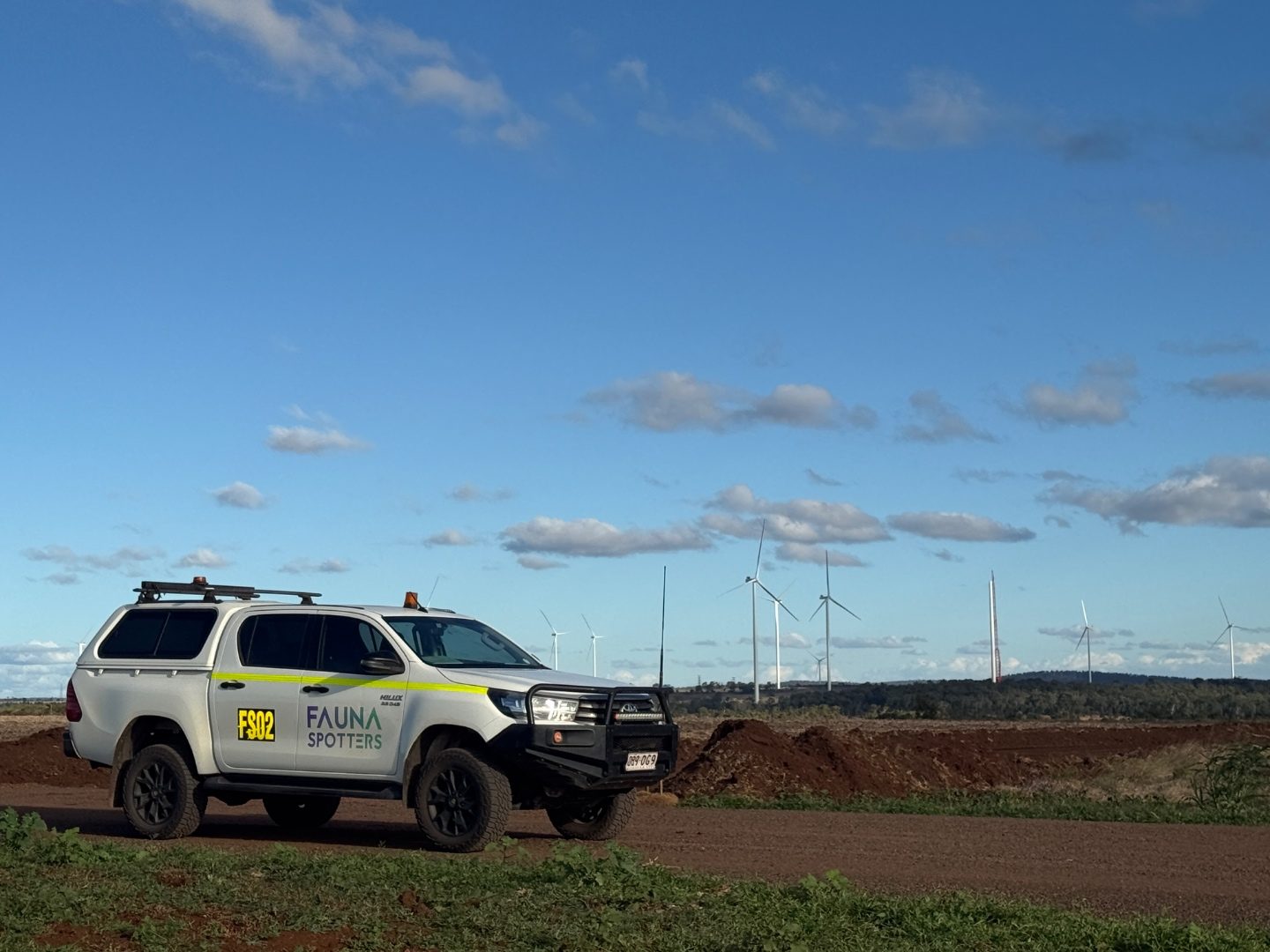
Fauna Spotter Catchers and Koala Spotters support vegetation clearing works across the Central Coast Council area. The landscape includes coastal wetlands and littoral rainforest, as well as largely native bushland in the west, including Olney State Forest and areas extending to Yengo National Park. Share your Central Coast site, dates and approval conditions so we can confirm scope and availability.
Choose the support your job needs. Specialist surveys are arranged around the site, target species and dates.
Wildlife checks, animal handling and support alongside your clearing crew.
Dedicated koala searches and monitoring for works in koala habitat.
Fauna and habitat checks before work starts, with findings recorded for your project.
Site-specific plans setting out how wildlife will be managed during the works.
Thermal imaging to help locate wildlife and guide follow-up checks.
By arrangement
Targeted searches using trained dog-and-handler teams.
By arrangement
Project contexts include water supply, sewerage and stormwater drainage infrastructure, as well as construction near coastal wetlands.
The Central Coast LGA has at least 83 distinct vegetation community types. Wyrrabalong National Park contains coastal wetlands, littoral rainforest, heath and remnant forest. Wildlife includes regionally important populations of squirrel gliders, greater gliders and yellow-bellied gliders, as well as long-nosed potoroos and wallum froglets. The coast provides breeding sites for little terns and other migratory shorebirds.
25 ha or more on lots under 1 ha), when the land is on the Biodiversity Values Map, or when a test of significance finds a likely significant impact on threatened species.
The Central Coast is one of the council areas where the koala habitat protection chapter of the Biodiversity and Conservation SEPP 2021 applies to all zones, so koala habitat is considered when development is assessed.
We check the approval conditions for your site before work starts and plan the spotter role around them.
Mapped potential, not confirmed sightings. Select a count to explore species names and profiles.
50 km around Gosford. Library snapshot: 30 Oct 2026.
Total significant species: 189
Each species counts once in the total. Additional groups can overlap with one another and the conservation categories.
Mapped potential, not confirmed sightings. This is not a site survey or a complete wildlife inventory.
A 50 km circle centred on Gosford, not a council boundary. It includes nearby areas and may extend across state boundaries or coastal waters.
Generated from Fauna Spotters significant-species screening library on 30 Oct 2026. Underlying source dates vary. Counts use mapped ranges and generalised distribution estimates, not a live ALA or WildNet records search. Marine-only profiles are excluded; coastal species may be included.
State and national conservation categories are shown separately. Priority and other conservation categories are not necessarily threatened listings. The total includes all significant fauna in the screening areas, including any adjacent jurisdictions. Listings may apply to only part of an area. Colonial breeding is an ecological grouping, not a threat status. Check individual profiles for listing details and source references.
Screening centres, using GeoNames (CC BY 4.0):
Central Coast subdivision, highway and koala-habitat clearing between Sydney and Newcastle.
Enter your site, dates and crew needs for an itemised quote. We’ll confirm availability before booking.
In New South Wales the work is covered by a Biodiversity conservation licence (scientific licence, ecological survey or consultancy class), issued by the Department of Climate Change, Energy, the Environment and Water under the Biodiversity Conservation Act 2016 and obtained for each project. Our management plans and crew credentials are ready to go, and our applications are pre-filled, so we can lodge as soon as your project is confirmed for the fastest possible path to approval.
Any additional permissions and approval conditions are checked for the job.
The Central Coast includes coastal wetlands, littoral rainforest, heath and remnant forest, with wildlife such as gliders, long-nosed potoroos, wallum froglets and little terns. Your site approvals set out what is required.
Yes. We supply dedicated Koala Spotters for projects inside mapped NSW koala habitat, in line with state koala conservation requirements.
Send the site, dates, shifts and approval conditions. We will check crew availability and any permissions before confirming a start.
In New South Wales the work is covered by a Biodiversity conservation licence (scientific licence, ecological survey or consultancy class), issued by the Department of Climate Change, Energy, the Environment and Water under the Biodiversity Conservation Act 2016 and obtained for each project. Our management plans and crew credentials are ready to go, and our applications are pre-filled, so we can lodge as soon as your project is confirmed for the fastest possible path to approval. Harm to threatened species needs a threatened species licence, and fauna survey work usually also needs an Animal Research Authority.
Yes. Share the clearing footprint, relevant approvals and any existing surveys. We will scope the plan and reporting requirements for your project.