Fauna Spotter Catchers
Wildlife checks, animal handling and support alongside your clearing crew.

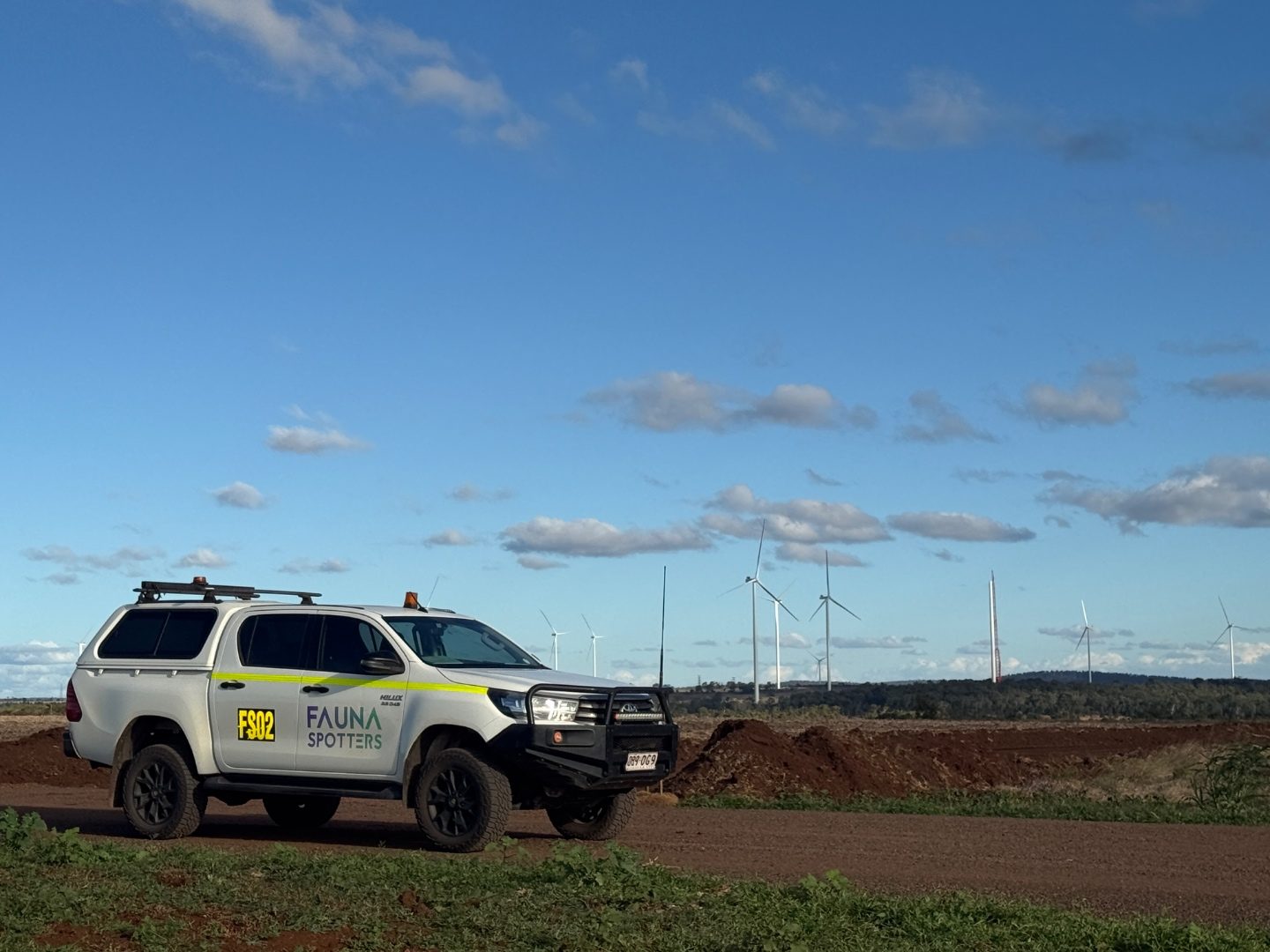
Fauna Spotters supplies Fauna Spotter Catchers and ecologists to civil, mining, energy and infrastructure projects across Tasmania, including Hobart, Launceston and other regional sites. Management plans, crew credentials and pre-filled Special Purposes Wildlife Permit applications are ready to go, so we can lodge as soon as your project is confirmed. Get an itemised quote online in under two minutes. Share your Tasmania site, dates and approval conditions so we can confirm scope and availability.
Choose the support your job needs. Specialist surveys are arranged around the site, target species and dates.
Wildlife checks, animal handling and support alongside your clearing crew.
Fauna and habitat checks before work starts, with findings recorded for your project.
Site-specific plans setting out how wildlife will be managed during the works.
Thermal imaging to help locate wildlife and guide follow-up checks.
By arrangement
Targeted searches using trained dog-and-handler teams.
By arrangement
Hobart, Launceston and every regional and remote site in between, on day trips, DIDO or FIFO rosters.
Mapped potential, not confirmed sightings. Select a count to explore species names and profiles.
2 service-area screens across Tasmania. Library snapshot: 30 Oct 2026.
Total significant species: 84
Each species counts once in the total. Additional groups can overlap with one another and the conservation categories.
Mapped potential, not confirmed sightings. This is not a site survey or a complete wildlife inventory.
Combined 50 km circles around the 2 service centres listed below, with each species counted once. This is not a screen of the entire state or territory, and is not an administrative boundary. Areas between and beyond the circles are not covered.
Generated from Fauna Spotters significant-species screening library on 30 Oct 2026. Underlying source dates vary. Counts use mapped ranges and generalised distribution estimates, not a live ALA or WildNet records search. Marine-only profiles are excluded; coastal species may be included.
State and national conservation categories are shown separately. Priority and other conservation categories are not necessarily threatened listings. The total includes all significant fauna in the screening areas, including any adjacent jurisdictions. Listings may apply to only part of an area. Colonial breeding is an ecological grouping, not a threat status. Check individual profiles for listing details and source references.
Screening centres, using GeoNames (CC BY 4.0):
Discuss fauna support for sites around Hobart, Launceston and other regional or remote locations. We confirm crew availability, travel and permissions for each job.
Enter your site, dates and crew needs for an itemised quote. We’ll confirm availability before booking.
In Tasmania the work is covered by a Special Purposes Wildlife Permit, issued by the Department of Natural Resources and Environment Tasmania under the Nature Conservation Act 2002 and Nature Conservation (Wildlife) Regulations 2021 and obtained for each project. Our management plans and crew credentials are ready to go, and our applications are pre-filled, so we can lodge as soon as your project is confirmed for the fastest possible path to approval.
Any additional permissions and approval conditions are checked for the job.
Clearing, salvage and relocation work in Tasmania is covered by a Special Purposes Wildlife Permit, issued by the Department of Natural Resources and Environment Tasmania under the Nature Conservation Act 2002 and Nature Conservation (Wildlife) Regulations 2021. Threatened species need a Listed Taxon Permit under the Threatened Species Protection Act 1995, and survey records must be entered in the Natural Values Atlas before the permit is assessed.
Our management plans and crew credentials are ready to go, and our Special Purposes Wildlife Permit applications are pre-filled, so we can lodge within days of your project being confirmed for the fastest possible path to approval. NRE Tas usually takes about four weeks to assess an application, so send us your start date and approval conditions with your quote request.
Use the instant quote tool on our website. Enter your site, dates and crew needs and you get an itemised quote in under two minutes. Where flights are required, we confirm those costs with you before acceptance. You can accept it online or call 1800 4 FAUNA to talk it through.
Send the site, dates, shifts and approval conditions. We will check crew availability and any permissions before confirming a start.
In Tasmania the work is covered by a Special Purposes Wildlife Permit, issued by the Department of Natural Resources and Environment Tasmania under the Nature Conservation Act 2002 and Nature Conservation (Wildlife) Regulations 2021 and obtained for each project. Our management plans and crew credentials are ready to go, and our applications are pre-filled, so we can lodge as soon as your project is confirmed for the fastest possible path to approval. Threatened species need a Listed Taxon Permit under the Threatened Species Protection Act 1995, and survey records must be entered in the Natural Values Atlas before the permit is assessed.
Yes. Share the clearing footprint, relevant approvals and any existing surveys. We will scope the plan and reporting requirements for your project.